Undergraduate

We aim to provide world-class training in biomedical engineering for next-generation leaders to improve human health and quality of life.

 

BME is a Unique and Interdisciplinary Field

Biomedical engineering is the fastest growing engineering field right now. We advance diagnostics, analysis of medical conditions, treatment, and recovery – all to improve patient care.


Enjoy physical, chemistry, computer science and math? Interested in biology and medicine? Consider a career in biomedical engineering at UNIST.

Biomedical engineering is one of the fastest growing engineering discipline.


We apply engineering tools in biological and medical sciences to advance healthcare for today, tomorrow, and beyond. With the broad backgrounds spanning biology, chemistry, medicine, physics, math, computer science, and engineering, BME majored students can work in so many areas – diagnostics, medicine, therapeutics, materials, devices, nanotechnologies, and many more. Training in UNIST BME will prepare you to tackle today’s challenge and beyond. Together, we can make changes in future healthcare.
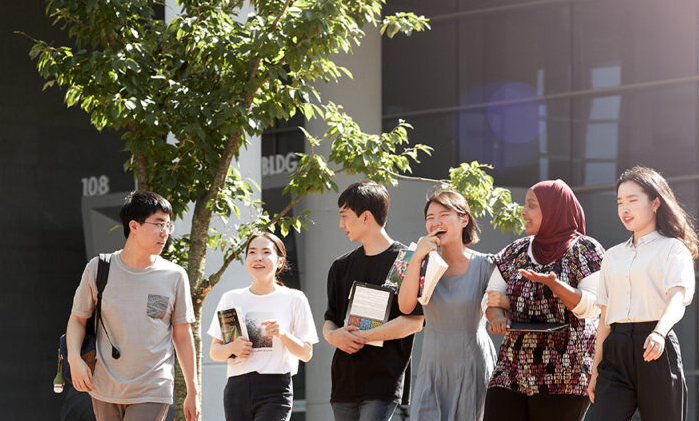


UNIST students takes general courses during their freshman year and can apply to the BME undergraduate program at the end of their 1st year. Take a course ‘BME to change the world (UNI10701)’ opened for UNIST freshmen. You will see why you must apply for BME undergraduate program!


UNIST BME undergraduate courses begins with core engineering coursework including Engineering Mathematics and Engineering Physiology, followed by cornerstone courses in biomedical fundamentals and applications as well as Biomedical Instrumentation Laboratory and Capstone project which provide strong ground to learn problem-solving, design, and communication skills.


It is highly recommended to take Undergraduate Internship Program as part of your curriculum. You can work for research laboratories, companies and receive academic credits. Through the internship experience, you can participate research projects and learn in-depth knowledge, mentoring.

Six Concentrations in BME

BIOMEDICAL IMAGING
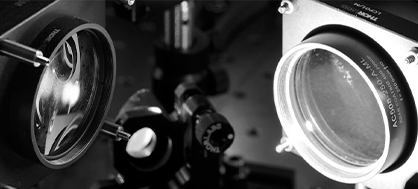
Do you want to light up the world? Study imaging technology and cutting-edge microscopy.
You can be part of the development and delivery of novel methodologies enabling state-of-the-art biological systems studies and translational research.
COURSES
Optics and Imaging, Introduction to Neuroimaging, Computational Imaging
BRAIN & COGNITIVE ENGINEERING
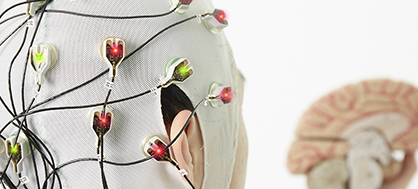
Do you want to understand how human brain works? Do you dream of building an artificial intelligence system that works like humans?You can get a chance to learn human information processing and apply the knowledge to solve engineering problems.
COURSES
Perception, Decision-making, Mental health, Color Science & Engineering
REHABILITATION & REGENERATIVE ENGINEERING
Learn about the genome, a life’s blueprint, and the way how to decode the secret messages in it, in many cases related to human diseaseslike cancer. One further step, learn how to engineer the genome, which can correct the disease-related errors for a cure.
COURSES
Genomics, Genome Technology, Genetics, Advanced Proteomics
PRECISION NANOMEDICINE
Are you interested in medical technologies to restore and improve health? Lean how engineering tools can assist people with mobility, generate implantable tissue, and enhance the organ function.
COURSES
Tissue Engineering, Biomechanics, Stem Cell Engineering, Organ-on-a-Chip
GENOMICS & BIOINFORMATICS
Precision Nanomedicine allows us to detect and treat various diseases more effectively. Learn how to develop and deliver nanotherapeutic drugs. Acquire knowledge in most updated microfluidics techniques that permit unparalleled levels of the sensitivity for the diagnosis of various diseases.
COURSES
Nano-Biomaterial Science and Engineering, Biomedical Chemistry, Nano-Bio Engineering
DIGITAL HEALTHCARE
Join the digital healthcare revolution! Digitization in healthcare is revolutionizing the way we prevent, treat and manage health conditions. Digital healthcare addresses critical issues for the remote delivery of medical care (hospital at home) and enables digital therapeutic driven by high quality software programs.
COURSES
Biosensor & Signals, Biostatistics for Engineering, Advanced Bioinstrumentation Lab

Curriculum

Sophomore

BME210Engineering Mathematics
BME211Engineering Physiology
BME204Biosensors & Signals
BME212Biomedical Instrumentation & Analysis
BME219Optical Imaging

Junior Year

BIO301Cell Biology
BME301Computational Methods for Biomedical Engineering
BME306Biostatistics for Engineers
BME313Biomedical Instrumentation Laboratory
BME330Introduction to Phenomics
BME331Introduction to Neuroimaging
BME320Advanced Biomedical Instruments
BME321Biomedical Optics

Senior Year

BME411Biological Physics
BME433Laser and Biomedical Application
BME407Computational Imaging
BME490Capstone Project

Sophomore

BME210Engineering Mathematics
BME211Engineering Physiology
BME222Introduction to Human Factor Engineering
BME206Cognitive Neuroscience

Junior Year

BIO301Cell Biology
BME301Computational Methods for Biomedical Engineering
BME303Color Science & Engineering
BME304Brain and Human Behavior i-Common to humans
BME306Biostatistics for Engineers
BME308Sensation and Perception
BME309Decision Making and the Brain
BME305Brain and Human Behavior ii-Difference between humans
BME310Experimental Design
BME313Biomedical Instrumentation Laboratory

Senior Year

BME434Computational Neuroscience
BME436Affective Engineering
BME490Capstone Project

Sophomore

BME210Engineering Mathematics
BME211Engineering Physiology
BME213Biophysical Chemistry
BME204Biosensors & Signals
BME212Biomedical Instrumentation & Analysis

Junior Year

BIO301Cell Biology
BME301Computational Methods for Biomedical Engineering
BME306Biostatistics for Engineers
BME311Transport Phenomena in Biological Systems
BME313Biomedical Instrumentation Laboratory
BME320Advanced Biomedical Instruments
BME325Nano-Biomaterial Science and Engineering

Senior Year

BME408Biomedical Chemistry
BME421Nano-Bio Engineering
BME490Capstone Project

Sophomore

BME210Engineering Mathematics
BME211Engineering Physiology
BME222Introduction to Human Factor Engineering
BME235Tissue Engineering
BME212Biomedical Instrumentation & Analysis

Junior Year

BIO301Cell Biology
BME301Computational Methods for Biomedical Engineering
BME306Biostatistics for Engineers
BME302Stem Cell Engineering
BME307BioMechanics
BME311Transport Phenomena in Biological Systems
BME313Biomedical Instrumentation Laboratory
BME325Nano-Biomaterial Science and Engineering

Senior Year

BME412Organ-on-a-chip
BME405Animal Cell Culture
BME413Advanced BioInstrumentation Lab.
BME490Capstone Project

Sophomore

BME210Engineering Mathematics
BME211Engineering Physiology
BME203Introduction to Bioinformatic
BME201Probability, Statistics and Biological Network
BME202Genomics

Junior Year

BIO301Cell Biology
BME301Computational Methods for Biomedical Engineering
BME306Biostatistics for Engineers
BME313Biomedical Instrumentation Laboratory
BIO333Genetics
BME326Genome Technology

Senior Year

BME410Advanced Proteomics
BME424Cancer Genomics
BME404Advanced Topics in Genomics
BME490Capstone Project

Sophomore

BME210Engineering Mathematics
BME211Engineering Physiology
BME204Biosensors & Signals
BME212Biomedical Instrumentation & Analysis

Junior Year

BIO301Cell Biology
BME301Computational Methods for Biomedical Engineering
BME306Biostatistics for Engineers
BME307Biomechanics
BME311Transport Phenomena in Biological Systems
BME313Biomedical Instrumentation Laboratory
BME320Advanced Biomedical Instruments

Senior Year

BME411Biological Physics
BME433Laser and Biomedical Application
BME413Advanced Bioinstrumentation Lab
BME490Capstone Project

Academic advisors and Mentoring

We believe that close interaction between students and BME faculty advisor is key to success of BME students. Academic advisors help students make important decisions including choosing classes, engaging in research opportunities and discussing career opportunities. All the BME students are assigned BME faculty advisors as they enter the department. We highly encourage students to meet BME faculty advisors each semester. In addition, Ms. Ryu, an academic affairs manager handles the administrative aspects of student advising such as registration and graduation. Resources about information on policies, registration, validation, graduation and so on.

Academic affairs manager

Younghwa Kim

UNIST Admission

  • For all information on undergraduate admissions at UNIST, see the UNIST admission site.
  • UNIST offers virtual campus tours for prospective high-school students.
  • UNIST offers a science camp for junior high-school students.